

An icon (from Middle Greek εἰκόνα, Ancient Greek εἰκών — «image», «likeness») — in Christianity (mainly in Orthodoxy, Catholicism, and the Ancient Oriental Orthodox Churches) a sacred depiction of persons or events of biblical or church history.

Feasts
Venerable John of Damascus
«An icon is not merely an image, but an image of living truth; through it the soul partakes of holiness and of God.»
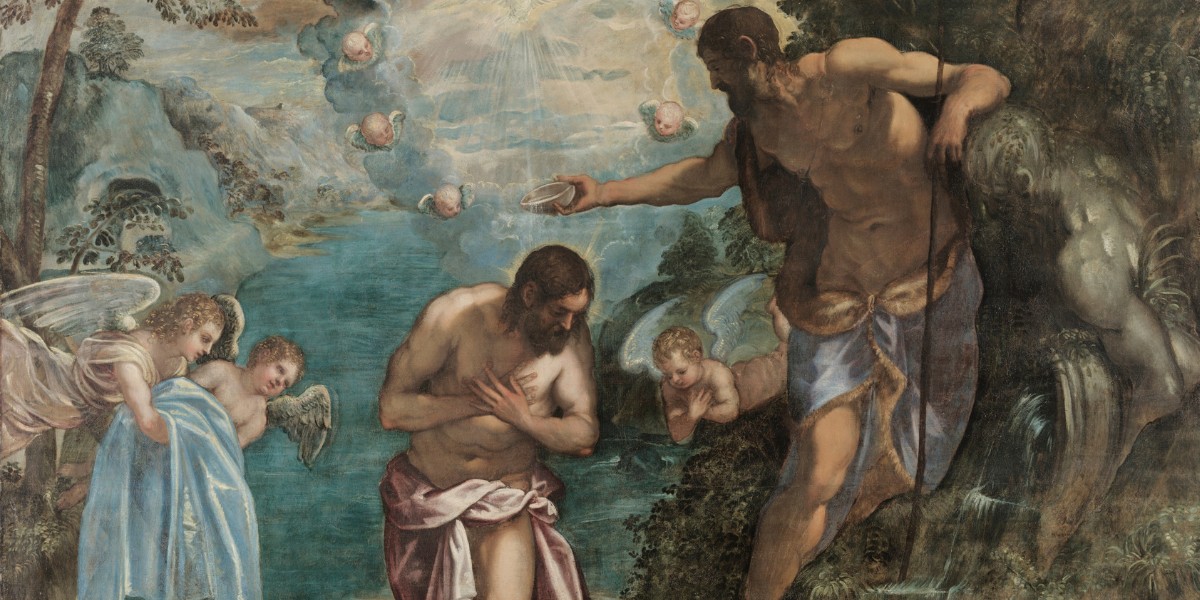
Lord's
Venerable Symeon the New Theologian
«Looking at an icon, the believer enters into a spiritual dialogue with God and the saints, and the heart is filled with grace.»
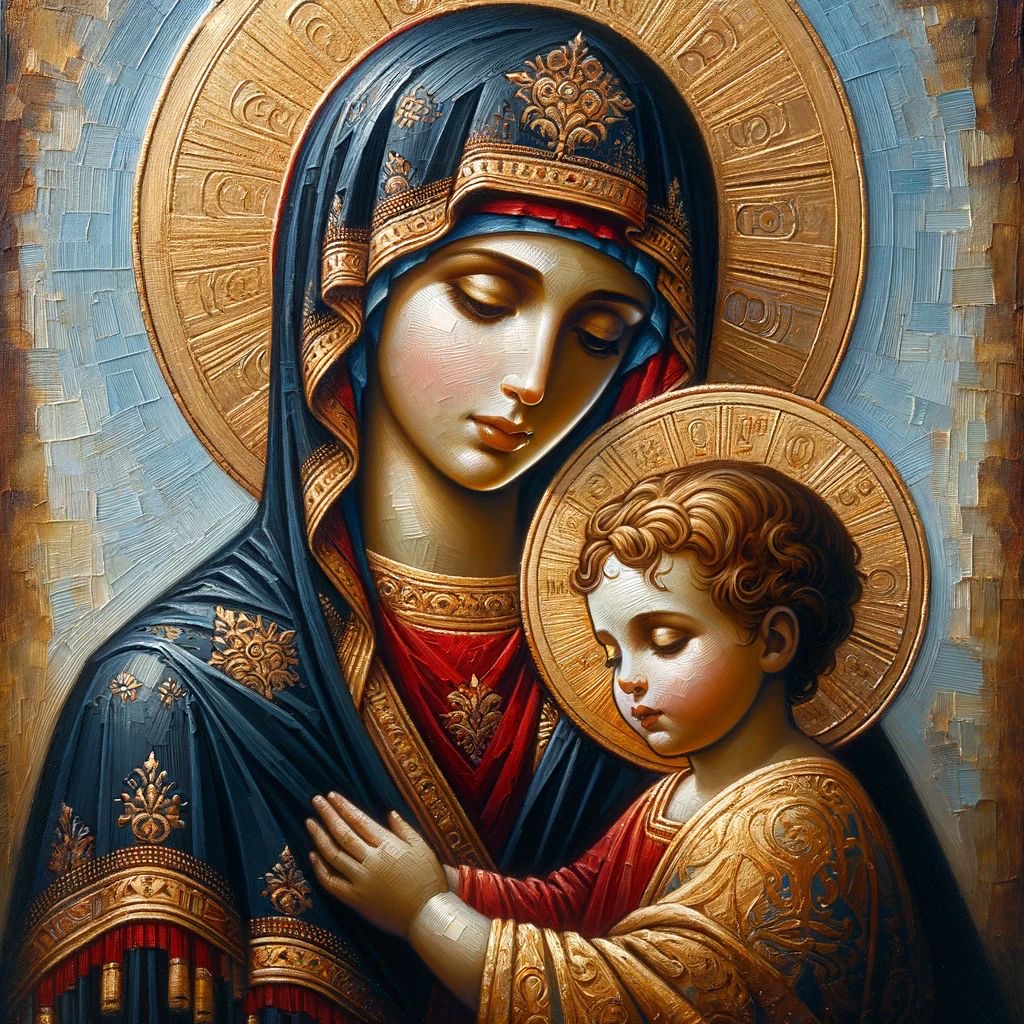
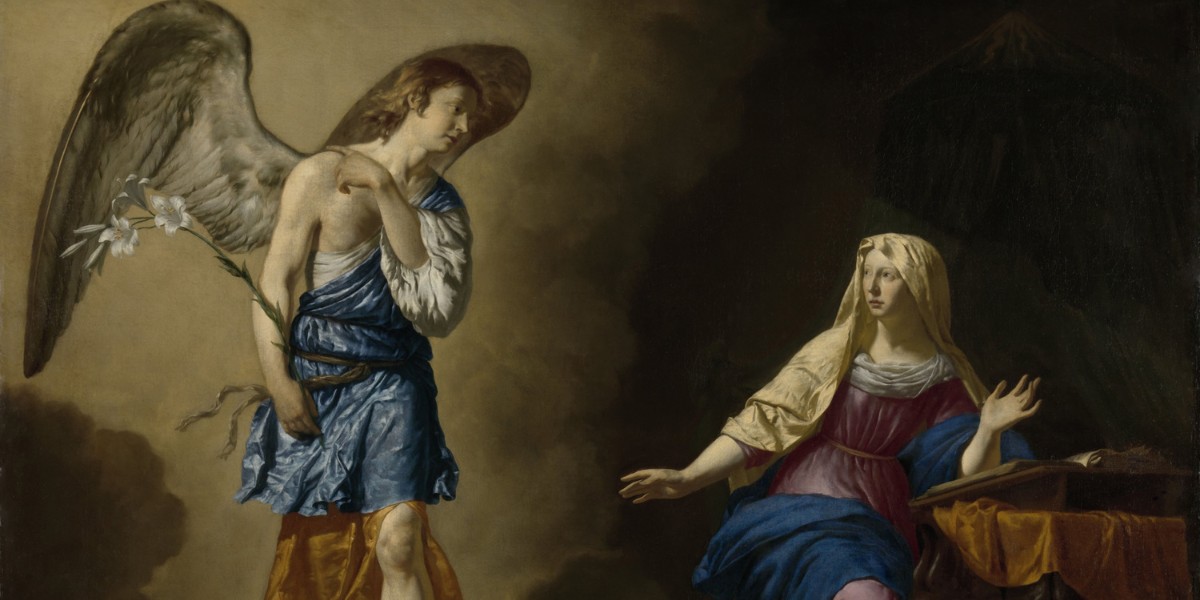
Theotokos
Saint Philaret of Moscow
«Icons teach us to pray, strengthen faith, and remind us of the invisible world in which the saints and Angels dwell.»

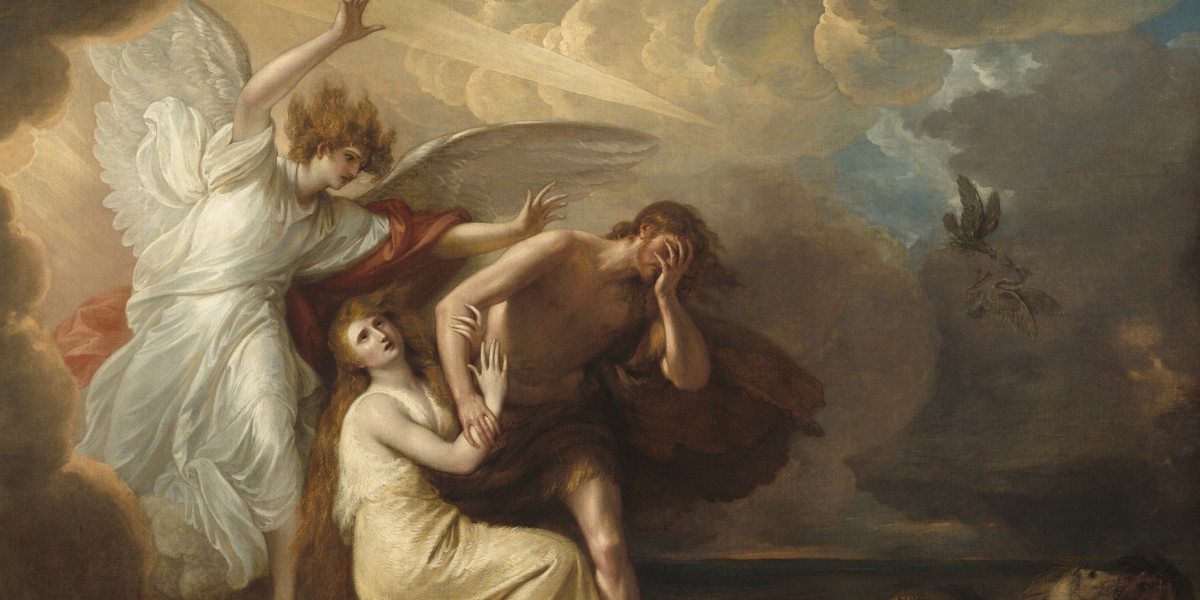
Angels
Venerable Nicodemus of the Holy Mountain
«An icon is a prayerful bridge between earth and heaven; through it a person touches spiritual reality.»

Gospel events
Venerable Athanasius of Athos
«An icon is a door into the invisible world; gazing upon it, the soul draws near to God and the saints.»

Menaion
Saint Gregory Palamas
«Through the veneration of icons the believer partakes of grace and beholds spiritual truth, which is invisible to the eyes of the flesh.»

Mandylion
Venerable Maximus the Confessor
«An icon is a book for the heart: it teaches, instructs, and leads to prayer without uttering a word.»
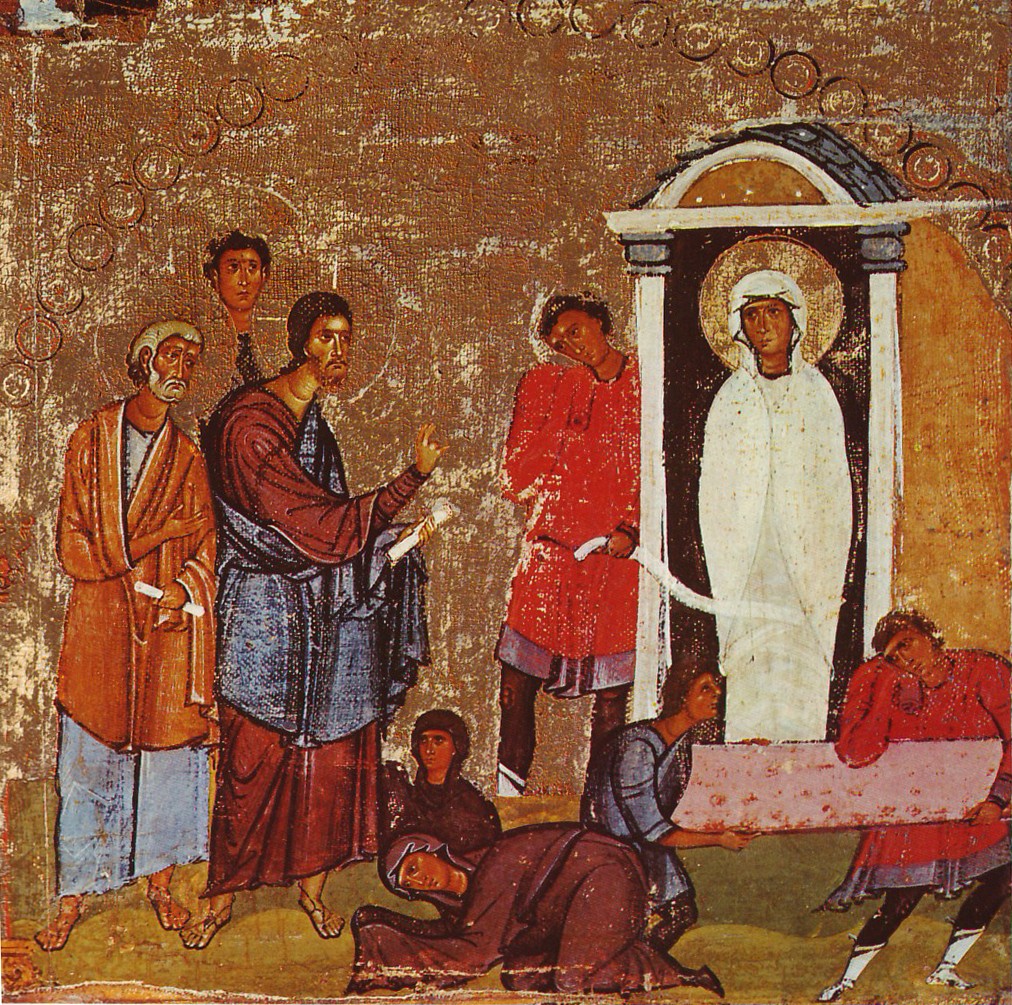
Sinai Icons
Los Angeles Getty Museum
«Sinai icons are a priceless monument of early Byzantine art.»
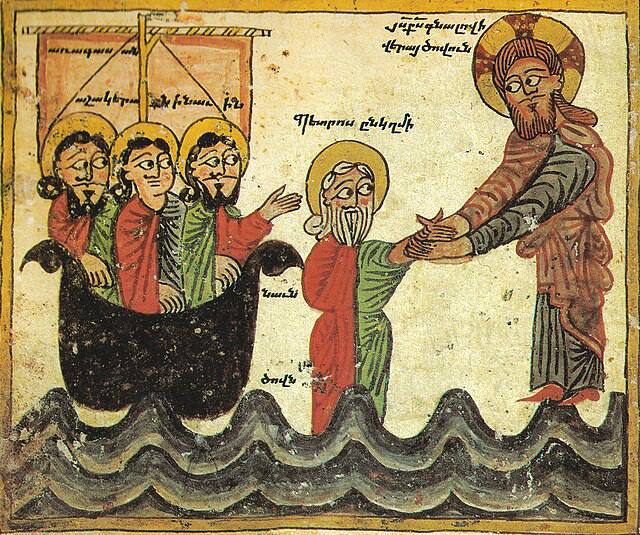
Vaspurakan miniature
Armenian manuscripts of Vaspurakan
«This is a priceless heritage of miniature art, thanks to the originality of their iconography and unique style of execution» (from the 13th to the 18th century).
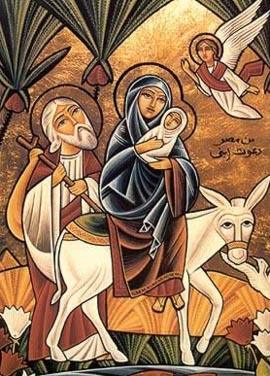
Coptic Icons
Monuments of Coptic art
«Coptic art is a term used to describe the art of Egyptian Christians of the first centuries.»
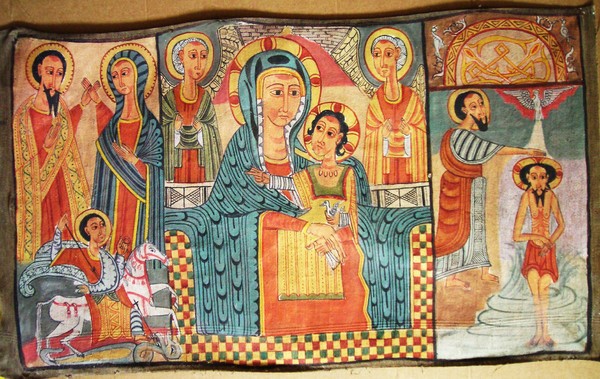
Ethiopian Iconography
Skin, Script, Spirit: Ethiopia at Icon Museum
«The lands of Ethiopia have an ancient and glorious history dating back to 3000 BC.»
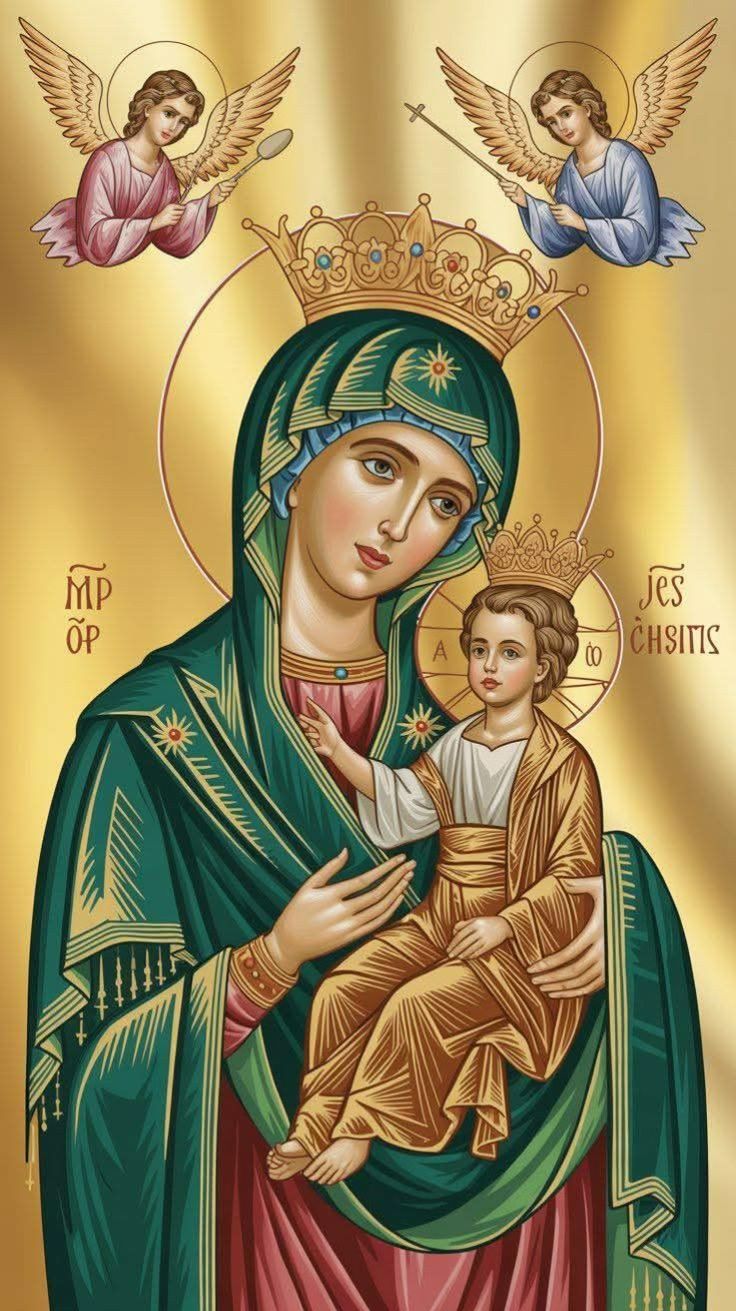
Stories of Theotokos Icons (rus)
In the "Church" section
«On our site there are stories of the origin of more than 120 Icons of the Most Holy Theotokos.»
Depictions of Christ, the Theotokos, saints, and biblical scenes have been known in Christianity since the 2nd century. By the 4th century, the walls of Christian churches were already widely adorned with painted images. Basil the Great, in a homily dedicated to the memory of the martyr Barlaam of Antioch, calls upon painters to depict the feats of the saint; John Chrysostom writes of the spread of images of Meletius of Antioch; and Theodoret of Cyrus reports on portraits of Simeon the Stylite being sold in Rome. Despite such support for depicting persons and events of sacred and church history, the first objections to the use of icons appeared in this same period. Thus, Eusebius of Caesarea spoke negatively of the emperor's sister's desire to have an icon of Christ. He explained this not by the Old Testament prohibition, but by the fact that the divine nature is unrepresentable.
Until the 3rd century, due to active persecutions, evangelical meanings were depicted in a very veiled and symbolic manner. The main symbolic depiction of Christ was the Lamb. Rule 82 of the Quinisext (Trullan) Council in 692 forbids the use of indicative, usually Old Testament, symbols (such as the Lamb), and recommends «henceforth to represent on icons the image of the Lamb Who taketh away the sin of the world, Christ our God, in His human nature, instead of the ancient lamb; that through this we may behold the humility of God the Word and be led to remembrance of His life in the flesh, His suffering and salvific death, and the redemption of the world thereby accomplished». In the Byzantine Empire in the 8th — early 9th centuries, an active iconoclastic movement arose, directed against the veneration of icons. During this period, the Venerable John of Damascus (675–753) attempted to provide a theological justification for icon veneration.
The Most Holy Theotokos (Mother of God, Virgin Mary, God-bearer, Mother of Jesus Christ, from Greek Θεοτόκος) — in the sacred history of the New Testament, the Mother of the Lord Jesus Christ, daughter of the righteous Joachim and Anna, exemplifying humility, modesty, and obedience to the will of God. The naming of the Virgin Mary as Theotokos was affirmed at the Third Ecumenical Council of 431, together with the resolution of long-standing Christological disputes and the refutation of the heresy of Nestorius. The Orthodox teaching on the Person of the Theotokos is called Mariology and is considered in close connection with the concepts of Christology, devoted to the questions of the Incarnation of the Second Person of the Most Holy Trinity.
The countenances of the Theotokos are depicted on numerous icons revealed at various times for protection from illness, natural disasters, and invasions of enemies. Many of these images are wonderworking, attesting to remarkable instances of help and intercession of the Most Holy Virgin in response to the prayers of the faithful. Some iconographic depictions are dedicated to feasts of the Theotokos — the Nativity, Dormition, Presentation in the Temple, Meeting, Protection, etc. Our catalogue brings together wonderworking icons of the Most Holy Theotokos with photos and names; for each, the dates of commemoration and the history of their appearance are given. Their descriptions help the believer better study the iconography of the Theotokos and learn many interesting facts from the history of the country and renowned monastic communities.
The dogma of icon veneration was finally formulated at the Seventh Ecumenical Council, held in 787.
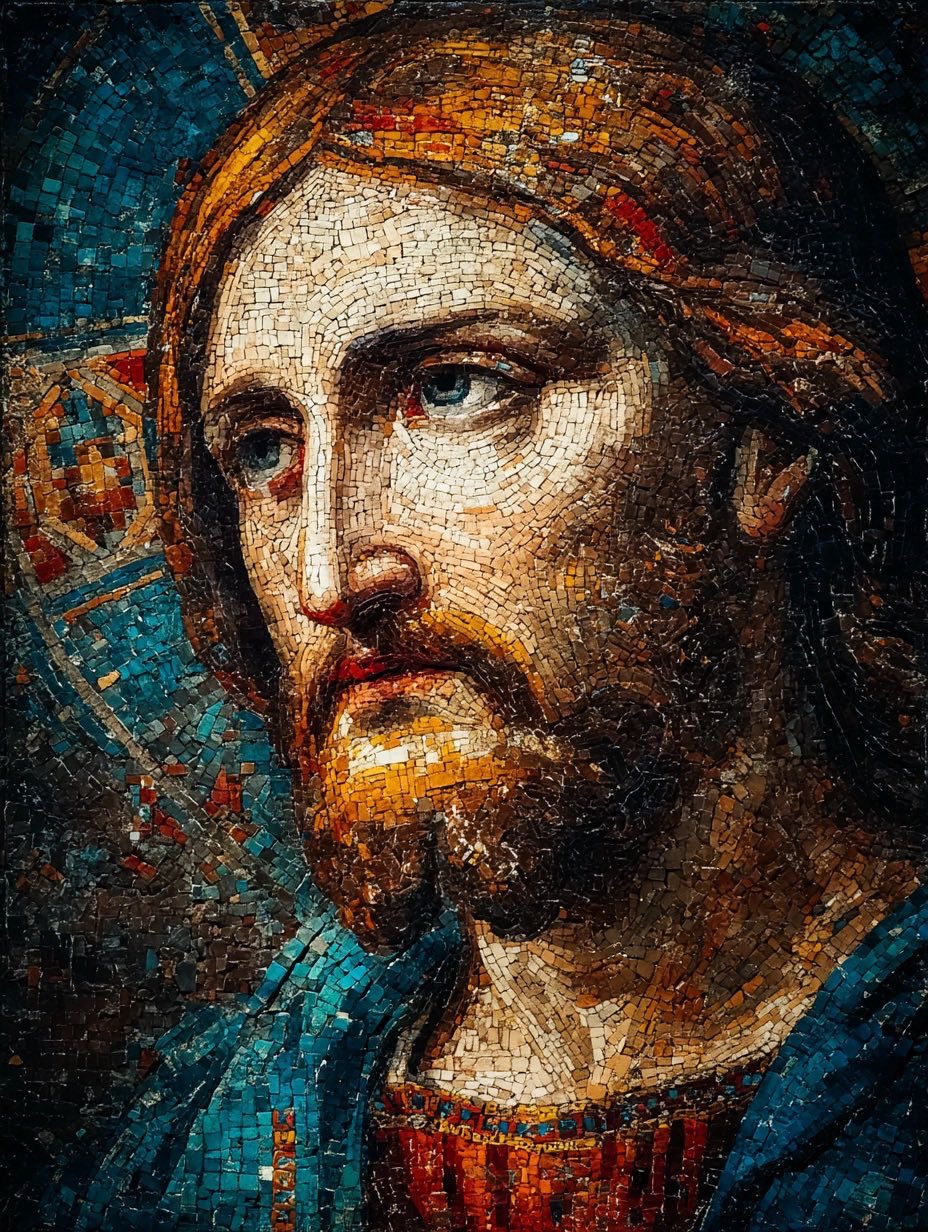
In art history, icons are usually understood as images executed within the Eastern Christian tradition on a solid surface (primarily on a lime-wood board covered with gesso, that is, plaster mixed with liquid glue) and provided with special inscriptions and signs. However, from a theological and religious-studies perspective, icons also include mosaic, painted, and sculptural images in any artistic manner that are objects of veneration according to the definition of the Seventh Ecumenical Council:
Храним не нововводно все, писанием, или без писания установленныя для нас церковныя предания, от них же едино есть иконнаго живописания изображение, яко повествованию евангельския проповеди согласующее, и служащее нам ко уверению истиннаго, а не воображаемаго воплощения Бога Слова, и к подобной пользе. Яже бо едино другим указуются, несомненно едино другим уясняются. Сим тако сущим, аки царским путем шествующе, последующе Богоглаголивому учению святых отец наших и преданию кафолическия Церкви, (вемы бо, яко сия есть Духа Святаго в ней живущаго,) со всякою достоверностию и тщательным разсмотрением определяем: подобно изображению честнаго и животворящаго креста, полагати во святых Божиих церквах, на священных сосудах и одеждах, на стенах и на досках, в домах и на путях, честныя и святыя иконы, написанныя красками и из дробных камений и из другаго способнаго к тому вещества устрояемыя, якоже иконы Господа и Бога и Спаса нашего Иисуса Христа, и непорочныя Владычицы нашея Святыя Богородицы, такожде и чтимых Ангелов, и всех святых и преподобных мужей. Елико бо часто чрез изображение на иконах видимы бывают, потолику взирающиии на оныя подвизаемы бывают воспоминати и любити первообразных им, и чествовати их лобзанием и почитательным поклонением, не истинным, по вере нашей, Бого поклонением, еже подобает единому Божескому естеству, но почитанием по тому образу, якоже изображению честнаго и животворящаго креста и святому евангелию и прочим святыням, фимиамом и поставлением свещей честь воздается, яковый и у древних благочестивый обычай был. Ибо честь воздаваемая образу переходит к первообразному, и покланяющийся иконе, покланяется существу изображеннаго на ней. Тако бо утверждается учение святых отец наших, сиесть, предание кафолическия Церкве, от конец до конец земли приявшия Евангелие.
— Dogma on icon veneration of the Three Hundred Sixty-Seven Holy Fathers of the Seventh Ecumenical Council
Τούτων οὕτως ἐχόντων, τήν βασιλικήν ὥσπερ ἐρχόμενοι τρίβον, ἐπακολουθοῦντες τῇ θεηγόρῳ διδασκαλίᾳ τῶν ἁγίων πατέρων ἡμῶν, καί τῇ παραδόσει τῆς καθολικῆς ἐκκλησίας ∙ τοῦ γάρ ἐν αὐτῇ οἰκήσαντος ἁγίου πνεύματος εἶναι ταύτην γινώσκομεν ∙ ὁρίζομεν σύν ἀκριβείᾳ πάσῃ καί ἐμμελείᾳ παραπλησίως τοῦ τύπου τοῦ τιμίου καί ζωοποιοῦ σταυροῦ ἀνατίθεσθαι τάς σεπτάς καί ἁγίας εἰκόνας, τάς ἐκ χρωμάτων καί ψηφῖδος καί ἑτέρας ὕλης ἐπιτηδείως ἐχούσης ἐν ταῖς ἁγίαις τοῦ Θεοῦ ἐκκλησίαις, ἐν ἱεροῖς σκεύεσι καί ἐσθῆσι, τοίχοις τε καί σανίσιν, οἴκοις τε καί ὁδοῖς ∙ τῆς τε τοῦ κυρίου καί Θεοῦ καί σωτῆρος ἡμῶν Ἰησοῦ Χριστοῦ εἰκόνος, καί τῆς ἀχράντου δεσποίνης ἡμῶν ἁγίας Θεοτόκου, τιμίων τε ἀγγέλων, καί πάντων ἁγίων καί ὀσίων ἀνδρῶν. Ὅσῳ γάρ συνεχῶς δι' εἰκονικῆς ἀνατυπώσεως ὁρῶνται, τοσοῦτον καί οἱ ταύτας θεώμενοι διανίστανται πρός τήν τῶν πρωτοτύπων μνήμην τε καί ἐπιπόθησιν, καί ταύταις τιμητικήν προσκύνησιν καί ἀσπασμόν ἀπονέμειν, ού μήν τήν κατά πίστιν ἡμῶν ἀληθινήν λατρείαν, ἥ πρέπει μόνῃ τῇ θείᾳ φύσει. Ἀλλ' ὅν τρόπον τῷ τύπῳ τοῦ τιμίου καί ζωοποιοῦ σταυροῦ καί τοῖς ἁγίοις εὐαγγελίοις καί τοῖς λοιποῖς ἱεροῖς ἀναθήμασι, καί θυμιασμάτων καί φώτων προσαγωγήν πρός τήν τούτων τιμήν ποιεῖσθαι, καθώς καί τοῖς ἀρχαίοις εὐσεβῶς εἴθισται. Ἡ γάρ τῆς εἰκόνος τιμή ἐπί τό πρωτότυπον διαβαίνει ∙ καί ὁ προσκυνῶν τήν εἰκόνα, προσκυνεῖ ἐν αὐτῇ τοῦ ἐγγραφομένου τήν ὑπόστασιν.
His itaque se habentibus, Regiae quasi continuati semitae, sequentesque divinitus inspiratum sanctorum Patrum nostrorum magisterium, et catholicae traditionem Ecclesiae (nam Spiritus Sancti hanc esse novimus, qui nimirum in ipsa inhabitat), definimus in omni certitudine ac diligentia, sicut figuram pretiosae ac vivificae crucis, ita venerabiles ac sanctas imagines proponendas, tam quae de coloribus et tessellis, quam quae ex alia materia congruenter se habente in sanctis Dei ecclesiis et sacris vasis et vestibus et in parietibus ac tabulis, domibus et viis; tam videlicet imaginem domini Dei et salvatoris nostri Iesu Christi, quam intemeratae dominae nostrae sanctae Dei genitricis, honorabilium que angelorum, et omnium sanctorum simul et almorum virorum. Quanto enim frequentius per imaginalem formationem videntur, tanto qui has contemplantur, alacrius eriguntur ad primitivorum earum memoriam et desiderium, et his osculum et honorariam adorationem tribuendam. Non tamen veram latriam, quae secundum fidem est, quae que solam divinam naturam decet, impartiendam; ita ut istis, sicuti figurae pretiosae ac vivificae crucis et sanctis evangeliis et reliquis sanctis monumentis, incensorum et luminum ad harum honorem efficiendum exhibeatur, quemadmodum et antiquis piae consuetudinis erat. Imaginis enim honor ad primitivum transit; et qui adorat imaginem, adorat in ea depicti subsistentiam.
The dogma of icon veneration emphasizes that the honoring of icons and veneration of them (in the sense of a bow, an outward sign of respect, and not worship-latria, «which is fitting for the divine nature alone») pertains not to the image itself and, still less, to the material of which it is made, but to the person depicted (the prototype), and therefore does not have the character of idolatry. Icon veneration is possible because of the Incarnation of God the Word, Jesus Christ, who is depicted in His human nature, from which His divine nature is inseparable in His single hypostasis. In accordance with the definition «Honor paid to the image ascends to the prototype», the image that points to the Persons (hypostases) is truly (by energy) the Person itself, though not identical to it.
The final restoration of icon veneration in Byzantium occurred in 843 under the Empress Theodora («The Triumph of Orthodoxy — celebrated on the first Sunday of Great Lent»).
The dogma of icon veneration is rejected by a number of Protestant churches, either considering icon veneration to be idolatry or avoiding it as leading into temptation. Protestants, as a rule, deny the outward signs of icon veneration, and some radical movements — even the use of images for the decoration of places of worship. Nevertheless, in most cases they do not share the theological argumentation of the iconoclasts about the unrepresentability of Christ, and therefore depict Him and Gospel subjects in their published materials.
The Catholic Church affirmed this dogma in the tenth article of the Tridentine Symbol of Faith:
Firmissime assero, imagines Christi ac Deiparæ semper Virginis, necnon aliorum Sanctorum habendas et retiendas esse, atque eis debitum honorem et venerationem impertiendum.
I firmly profess that images of Christ and of the Ever-Virgin Mother of God, as well as of other saints, should be had and retained, and due honor and veneration should be given to them.
The Council of Trent also provided an interpretation of this dogma:
Images of Christ, the Most Holy Virgin, and other saints should be had and kept in churches, rendering them due honor and veneration, not because there is any divinity or power in them for which they are to be venerated, nor because supplications should be addressed to them or faith placed in them, as the pagans of old placed their hope in idols; but the veneration that is paid to these images is referred to the prototypes which they represent. Thus, through the icons which we kiss, before which we bare our heads and bend our knees, we worship Christ and venerate the saints whose likeness they bear.