

From Ancient Greek ἀπό-κρῠφος — «hidden, secret, concealed» ← ἀπο- — «prefix with the meaning of past» and κρύφος, κρυφός, κρυπτός — «hidden» — a work of religious literature (Jewish and Christian), primarily devoted to events and persons of Sacred (Old and New Testament) and church history, not included in the canon by the Church (and the Old Testament apocryphon — also by the Jewish synagogue). This understanding of apocrypha in relation to Old Testament apocrypha is used in Orthodoxy and Catholicism. At the same time, in the Russian Orthodox Church, books that are not part of the Jewish canon but are part of the Orthodox (not pan-Christian) Bible are called not «apocrypha» but «non-canonical books».
In Protestantism and Judaism, the term «apocrypha» refers to the so-called «non-canonical» («deuterocanonical») books that are part of the Old Testament in Orthodoxy and Catholicism but are not part of the Hebrew Bible. Books called «apocrypha» in Orthodoxy and Catholicism are called «pseudepigrapha» in Protestantism. In this article, «apocrypha», unless otherwise specified, refers to works not included in the Old and New Testaments in Orthodoxy.
Apocrypha of both the New and Old Testaments are forbidden for reading in church. Clergy who use them for reading in the temple are deprived of their rank by the Christian Church. However, the content of apocrypha often became Sacred Tradition of the Christian Church. Thus, according to Vladimir Lossky, the source of Sacred Tradition can also be Christian apocrypha: «The Church knows how to extract from them what can fill in and illustrate events about which Scripture is silent but which Tradition considers reliable».
Apocrypha often claim greater «truthfulness» compared to canonical books. At the same time, the genre of apocrypha is close to the genre of legend due to the need for them to be «before» the canon.
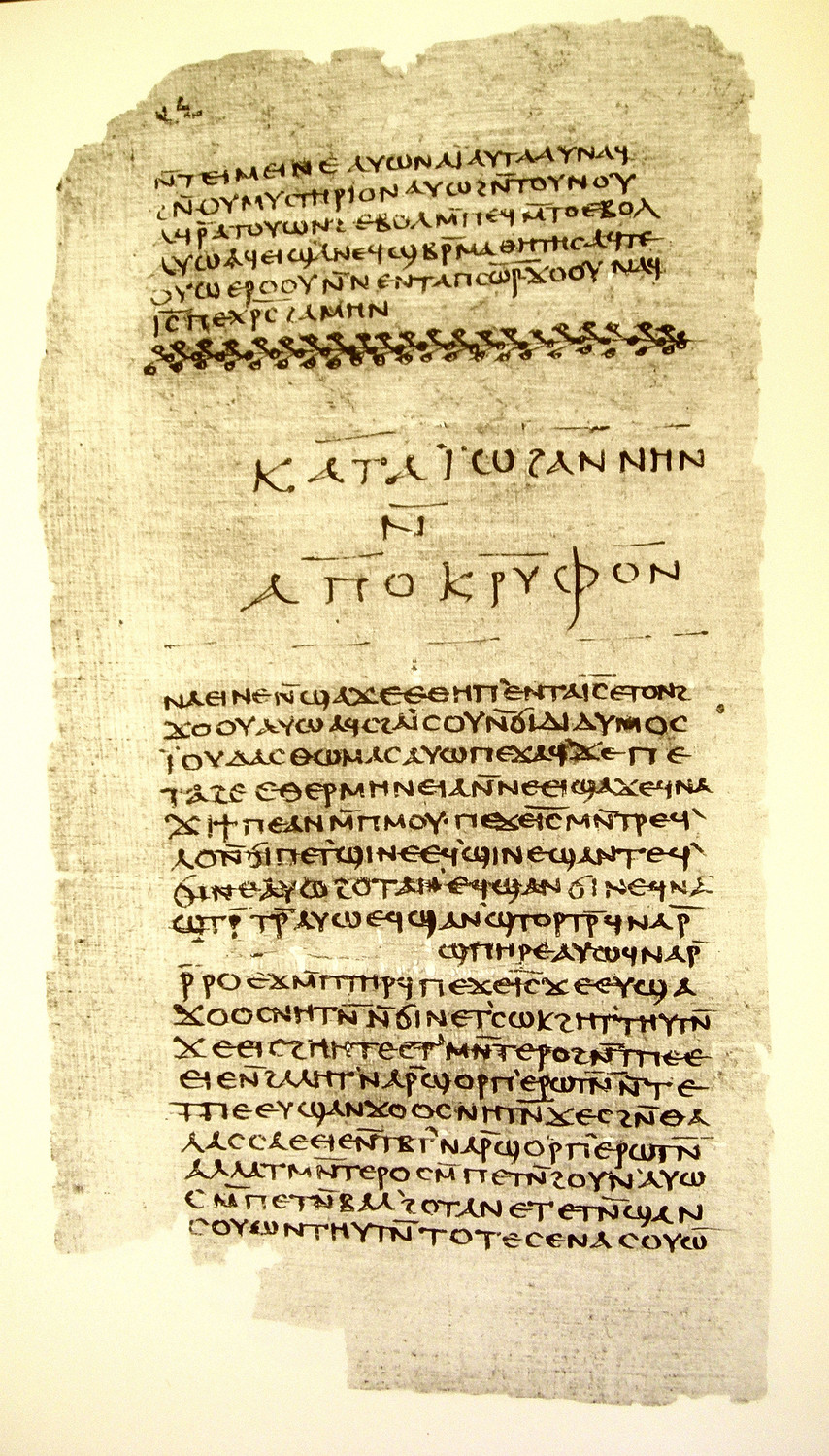
Concluding part of the «Gospel of Thomas»
-------------------------------------------------
Article — Qumran Manuscripts
General Definitions
The process of developing ideas about apocrypha is closely linked to the history of Christian book culture as a whole and to the canonization of religious texts. In different periods of history and in different environments, the concept of «apocrypha» was given different content, and various works were considered apocryphal. Thus, the Old Testament legend of Aseneth, based on the biblical account of Joseph's marriage to the daughter of the Egyptian priest Potiphar (Gen. 41:45), was perceived differently. The 13th-century Armenian scholar Mkhitar Ayrivanetsi placed it in his list, while his contemporary, the Syrian bishop Ebed Jesus, included «The Book of Aseneth, wife of righteous Joseph» in his list of true books of the Old Testament.
Patriarch and canonist Theodore Balsamon wrote about apocryphal books: «there are also other books called 'apocryphal', but in fact — full of perverse dogmas».
According to the definition of P. A. Alexeyev's «Church Dictionary» (St. Petersburg, 1817), these are — «hidden, that is, books published by persons unknown, or which are not read publicly in church, as Holy Scripture is ordinarily read. Such books are all those which are not found in the Bible».
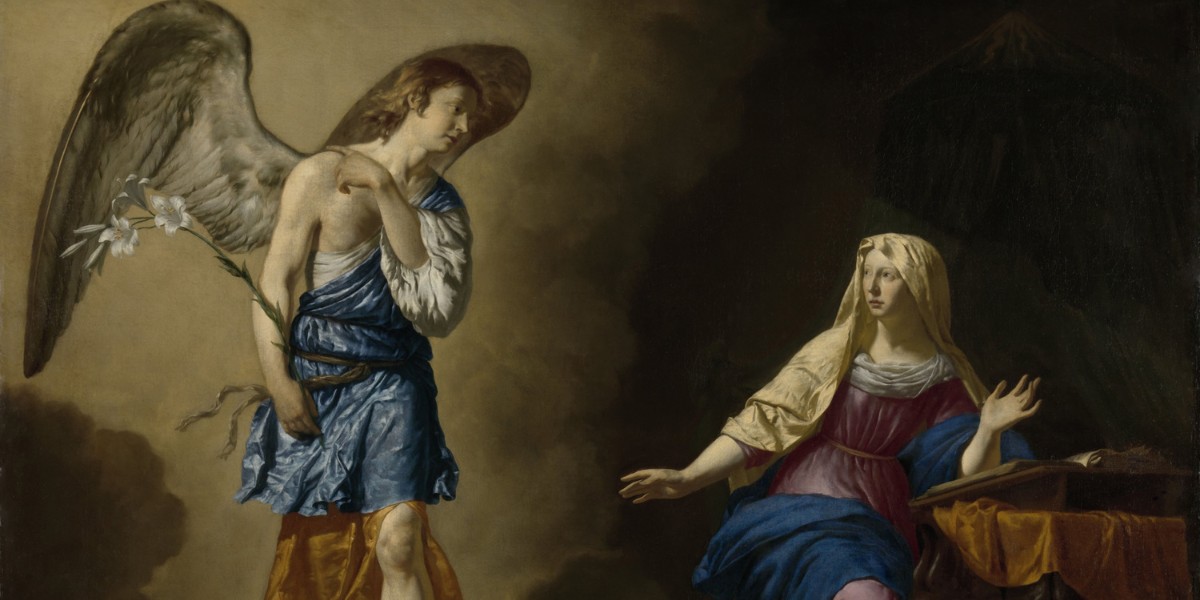
There are apocrypha that generally diverge from traditional Christian doctrine, but individual elements from them have entered iconography and liturgical texts. Thus, the late apocryphon called «Protevangelium of James» is not recognized by the Church as divinely inspired scripture and was rejected by the Ecumenical Councils, but part of its texts, much later, in the 8th–9th centuries, in retold form entered hagiography and hymnography and received reflection in iconography even later, beginning in the 9th–10th centuries. Most Theotokos feasts — the Nativity of the Virgin Mary, the Presentation in the Temple, and partly the Annunciation (this was reflected in iconography) — are built on the Protevangelium of James. The liturgical texts of the feast of the Dormition are built on retellings of late (6th–7th century) apocrypha. The inclusion of part of the apocryphal narratives in hymnography or hagiography occurred due to the prolonged struggle against apocrypha and their long expulsion from the Church. In the East, reception of the conciliar condemnation of apocrypha occurred only in the mid-9th century; in the West — only in the 16th century. Greek hymnography of the Theotokos feasts was written in the 8th–9th centuries, in that period when there was no church-wide condemnation of apocrypha, and hymnographers such as John of Damascus and Cosmas of Maiuma retold late apocrypha in poetic form and included them in liturgical texts. The iconography of the 9th–10th and subsequent centuries illustrates this same hymnography of the 8th–9th centuries; for this reason apocrypha are reflected in iconography.
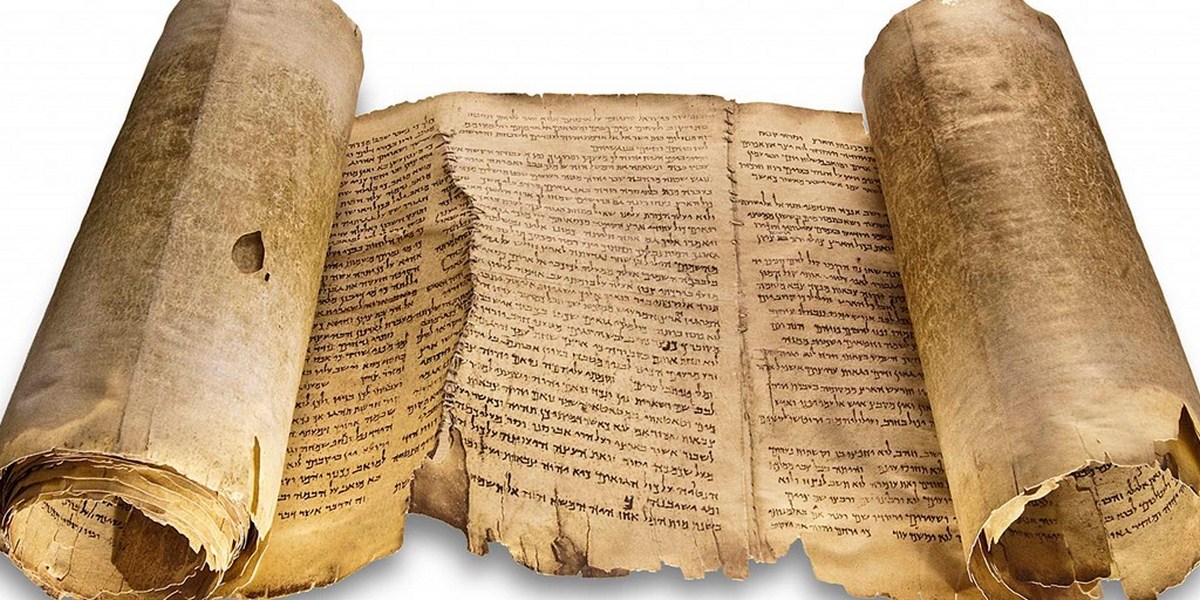
Struggle Against Apocrypha Before the Nativity of Christ
Apocryphal books arose soon after the return of the Jews from the Babylonian captivity. The Jewish priest Ezra undertook an attempt to collect (and separate from spurious apocrypha) all the then scattered and partially lost sacred books. With his assistants, Ezra managed to find, correct, translate into the language of his time, supplement, and systematize 39 books (in the Tanakh of Jewish tradition they were combined into 22 books — according to the number of letters in the Hebrew alphabet). Those apocryphal books that contradicted the chosen books and diverged from the traditions of Old Testament tradition, bore traces of the influence of pagan myths and superstitions of neighboring peoples, and contained occult practices and magical incantations, as well as books having no religious value (of a domestic, entertaining, children's, educational, romantic, or other nature), were strictly sifted out in advance (sometimes mercilessly destroyed) and did not enter the Tanakh, and later the Christian Old Testament. Later, part of these apocrypha (in Judaism — pseudepigrapha) did enter the Talmud. Kabbalah also abounds in apocrypha.
According to the Talmud, books not included in the Jewish canon (Tanakh) are recognized as hidden (apocrypha in the Christian sense, that is, forbidden to the people), external, and generally having no authority, bringing harm to readers.
The Problem with Non-Canonical Books
According to the Jewish Encyclopedia, the canonization of the sections of the Hebrew Bible (Tanakh) occurred at different times. The canonization of the section of the Pentateuch (Torah) dates to the 6th century BC, the section of the Prophets — to 323 BC, the section of the Writings — to the beginning of the 2nd century AD.
It is not known exactly by what rules Jewish scholars selected books for the Hebrew Bible. Possibly, the criterion of canonicity was the holiness of the authors of these books and their prophetic character. Josephus asserted that by the time of Ezra and Nehemiah all 22 divinely inspired books had been collected and nothing could be added to or taken from them. All these books lay in the ark in the Temple. The list of these books is commonly called the Jamnia canon, supposedly established by the rabbis at the end of the 1st century AD, although the Hebrew canon was finally completed even before the Nativity of Christ. In Christianity these books are divided into 39 books and form part of the Old Testament.
In Alexandria in the 3rd century BC, a translation of the Hebrew Bible into Ancient Greek — the Septuagint — was created. Subsequently, books written in the 3rd–1st centuries BC were added to it, some of which were written in Ancient Hebrew and then translated into Ancient Greek, while others were written directly in Greek. The Septuagint became the main text for Christians who spoke primarily Greek in the first centuries of Christianity. These books subsequently entered the Old Testament of Orthodox editions of the Bible, as well as the Catholic Vulgate, and in Catholicism at the councils of the 15th–16th centuries these books were recognized as divinely inspired, like the books of the Hebrew Bible, and subsequently called deuterocanonical, with the exception of the second and third books of Ezra and the third book of Maccabees, which are not part of the canon of the Catholic Church, being considered apocrypha.
Later, when Protestants, using ancient manuscript originals, began to translate the Bible into modern national languages, they discovered the absence of the additional books that had entered the canon of the Catholic Church in all Hebrew texts and declared these books apocrypha (though they did not forbid them, only declaring them of lesser importance). It should be noted that even some canonical books that do not support Protestant doctrines raise doubts among them (for example, Martin Luther called the Epistle of the Apostle James «epistula straminea» — «straw epistle»).
The eleven non-canonical books of the Old Testament, that is, those not included in the Hebrew Bible — in the Russian Orthodox Church are called «non-divinely inspired» but useful and edifying. Excerpts from some of them are read during public worship at the paremias. At present, thanks to the successes of biblical archaeology, Hebrew texts have become known for some books that were previously considered lost.
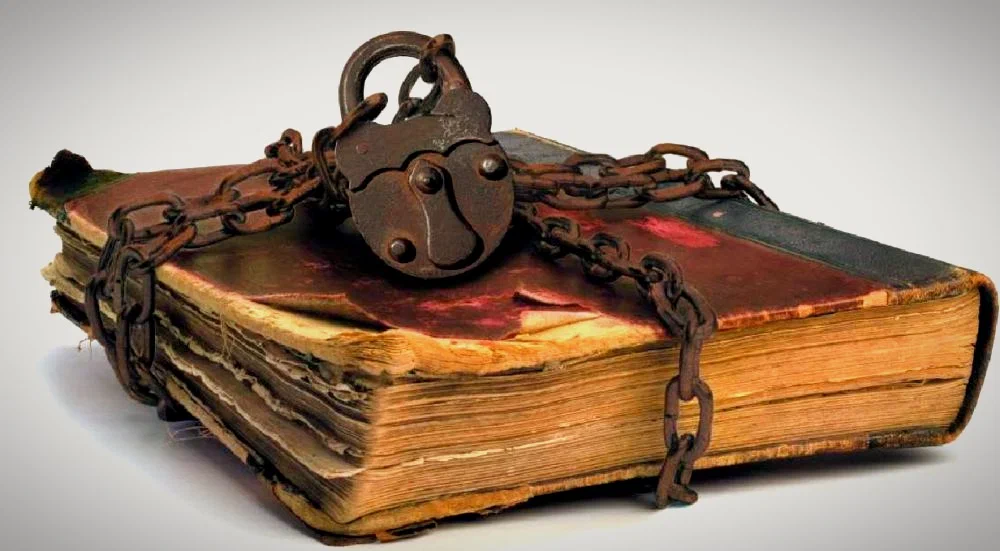
Struggle Against Apocrypha After the Nativity of Christ
The early Church already faced an even greater need to separate the canonical biblical books from various alternative apocryphal treatises composed at different times and by different people. Some of them were written by quite pious, though naive and uneducated people who wished to explain and supplement Holy Scripture in their own way. Thus, for example, in «The Descent of the Theotokos into Hell» is described the descent of the Mother of God into hell and then her intercession before the throne of her Son.
Other apocrypha — hidden forgeries of various early Christian sects, heretical movements, Jewish schools, and Gnosticism that spread, using Christian themes. There were also authors who deliberately, supposedly on behalf of apostles revered in Christianity, composed and disseminated false «gospels» and «epistles» compromising the universally recognized Church, which in their view was hiding the original «true» teaching. For example, in the so-called «Gospel of Thomas» coarse words diametrically opposed to His highly moral teaching set forth in the canonical Gospels are attributed to Jesus Christ. Here Christ supposedly speaks against the most important Christian virtues — fasting, prayer, and almsgiving:
Jesus said: If you fast, you will breed sin in yourselves, and if you pray, you will be condemned, and if you give alms, you will do harm to your spirit.
Therefore, communities of traditional Christians in all ages strove to protect the purity of their faith, and in all ages at councils they compiled lists of rejected books — forbidden apocryphal and openly heretical writings that were forbidden to read and publish, and which were sought out and destroyed (torn, burned, or from parchment the forbidden apocryphal and heretical texts were scraped off or washed away and reliable palimpsests were written).
The canon of sacred books includes 27 New Testament books recognized as divinely inspired, which, according to Church teaching, were written directly by the apostle-eyewitnesses of Christ. The composition of the New Testament canon is fixed by the 85th Apostolic Canon. Together with the books of the Old Testament they form the Christian Bible, which contains 66 canonical books and in Orthodoxy and Catholicism the non-canonical / deuterocanonical books of the Old Testament. Deuterocanonical books are recognized as divinely inspired in Catholicism. The divinely inspired books of the Old and New Testaments are considered the main authoritative source on matters of sacred history and dogmatics in the main Christian confessions.
Beginning in the 1st century, the gradual expulsion of apocrypha from the Church began, and ultimately apocrypha were rejected by the Church. But this process was very lengthy. For example, Eusebius of Caesarea in his book «Church History» divided books into three categories: canonical books, books permitted for reading, «rejected». In the Gelasian Decree (Decretum Gelasianum), written between 519 and 553, a list (index) of «true and false» writings was given.
Questions of attitude toward apocrypha were decided at councils and special canons against apocrypha were adopted. For example, rules 59 and 60 of the Council of Laodicea: 59. It is not fitting to read in church uncanonical psalms or books not defined by rule, but only the books of the Old and New Testament designated in the rules. 60. These books should be read: only the books of the Old and New Testament designated in the rules.
Of the Old Testament:
1. Genesis of the world. 2. Exodus from Egypt. 3. Leviticus. 4. Numbers. 5. Deuteronomy. 6. Joshua. 7. Judges, Ruth. 8. Esther. 9. Kings, first and second. 10. Kings, third and fourth. 11. Chronicles, first and second. 12. Ezra, first and second. 13. Book of Psalms, one hundred fifty. 14. Proverbs of Solomon. 15. Ecclesiastes. 16. Song of Songs. 17. Job. 18. Twelve Prophets. 19. Isaiah. 20. Jeremiah, Baruch, Lamentations and Epistle. 21. Ezekiel. 22. Daniel.
Of the New Testament:
- Four Gospels: according to Matthew, according to Mark, according to Luke, according to John; Acts of the Apostles; Seven Catholic Epistles: of James — one, of Peter — two, of John — three, of Jude — one; Fourteen Pauline Epistles: to the Romans — one, to the Corinthians — two, to the Galatians — one, to the Ephesians — one, to the Philippians — one, to the Colossians — one, to the Thessalonians — two, to the Hebrews — one, to Timothy — two, to Titus — one, and to Philemon — one.
Rule 33 of the Council of Carthage: «It has also been decreed that nothing shall be read in church under the name of Divine Scriptures except the canonical writings».
The Council of Laodicea and the Council of Carthage were local councils; their decisions could not extend to the whole Church. For this reason, the rules adopted at them regarding apocrypha were not church-wide. In 691–692, Emperor Justinian II organized and headed the Quinisext Council (Trullan Council) — a large local council of Eastern hierarchs, at which the canonical authority of the 85 Apostolic Rules, the Council of Laodicea, and the Council of Carthage was affirmed. In the West, the decrees of the Quinisext Council were not accepted in the 7th century; and the decisions of the Quinisext Council, including regarding apocrypha, remained in the whole Church not as definitions of an ecumenical council but as definitions of one of the many local councils. Reception of the decisions of the Quinisext Council dragged on for many years. In 787, at the Second Council of Nicaea, which affirmed icon veneration, the rules of the Quinisext Council were considered as decisions of the Third Council of Constantinople. However, in the West the decisions of the Third Council of Constantinople were rejected, and in the East icon veneration was soon replaced by iconoclasm. The final restoration of icon veneration, and with it the recognition of the decrees of the Quinisext Council on apocrypha, occurred only in 843 at the Council of Constantinople. The year 843 can be considered the year of the final reception of the decisions of the Quinisext Council in the East, including the conciliar final rejection of apocrypha. In 883, the rules concerning apocrypha were published in the Nomocanon of Photius as church-wide.
In the West, the dogma of icon veneration affirmed by the Third Council of Constantinople was accepted. But the decrees of the Quinisext Council, including the decrees on apocrypha, were never accepted. The adoption of the biblical canon and rejection of apocrypha in the West occurred in 1546 at the Council of Trent.
Ancient apocrypha preserved to our time have not only historical significance but also, to some degree, dialectical significance, as they reflect the views of Christians of the first centuries.
The number of apocrypha includes the so-called Old Testament apocrypha, apocryphal Gospels, alternative texts of the Acts of the Holy Apostles, Apocalypses, etc., as well as alternative biographies of saints recognized by the Church. The writings of the Church Fathers, liturgical texts, lives of saints, and other texts classified by the Catholic, Orthodox, and Ancient Oriental Churches as Sacred Tradition do not belong to apocrypha.
Apocrypha are also composed in our time, when various sects, «elders», predictors, and «wonderworkers» compose and disseminate religious literature interpreting history and the principles of Christian doctrine in their own way.
Among the most important Old Testament apocrypha are:
- First Book of Enoch
- Book of Jubilees
- Testaments of the Twelve Patriarchs, sons of Jacob
- Psalms of Solomon.
All of them were written in the Hellenistic period (4th–1st centuries BC), however they are distinguished from non-canonical / deuterocanonical books due to their claim to a mysterious (esoteric) meaning.
Among the most important New Testament apocrypha are:
- Protevangelium of James
- Didache
All Apocrypha are divided by their parameters into the Old and New Testaments, according to Qumran descriptions, etc. See at the top of this page.