



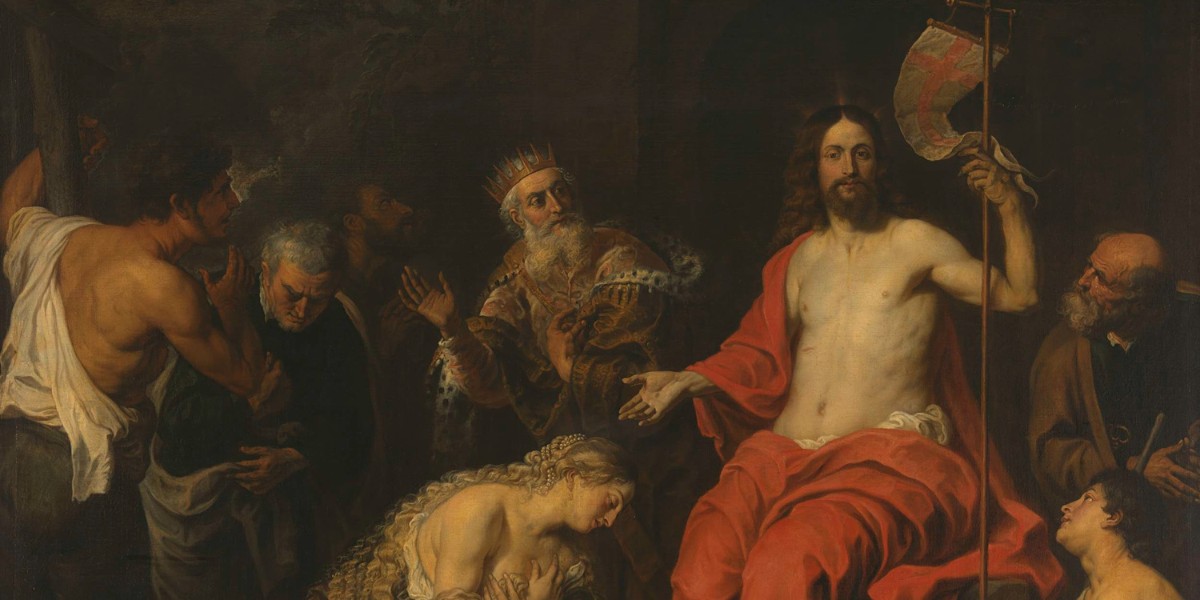
The brother of the Apostle John the Theologian († c. 98–117; commemoration September 26 / October 9), holy martyr. He was called to preach the Gospel by the Lord Himself from among simple fishermen together with his brother (Matthew 4:21; Mark 1:19–20). To the holy apostles James, John, and Peter the Lord especially revealed divine mysteries: at the raising of Jairus’s daughter (Mark 5:37–42; Luke 8:51–55), on Mount Tabor (Matthew 17:1–9; Mark 9:2–9; Luke 9:28–36), and in the Garden of Gethsemane (Matthew 26:37–46; Mark 14:32–42; Luke 22:39–45).
After the descent of the Holy Spirit at Pentecost, the holy Apostle James preached in Spain and other countries of the world. Then he returned to Jerusalem, where he openly taught about Jesus Christ, that He is the true Messiah, the Savior of the world, and rebuked the Pharisees and scribes for their hardness of heart and unbelief. The Jews were unable to withstand the apostolic word and, for money, hired a philosopher-sorcerer named Hermogenes to enter into debate with the apostle and refute his arguments about Christ as the promised Messiah come to earth. The sorcerer sent his disciple Philetus to the holy apostle, but he believed in the Lord Jesus Christ. Soon Hermogenes himself was convinced of the power of God, burned his magic books, accepted holy Baptism, and became a true follower of Christ.
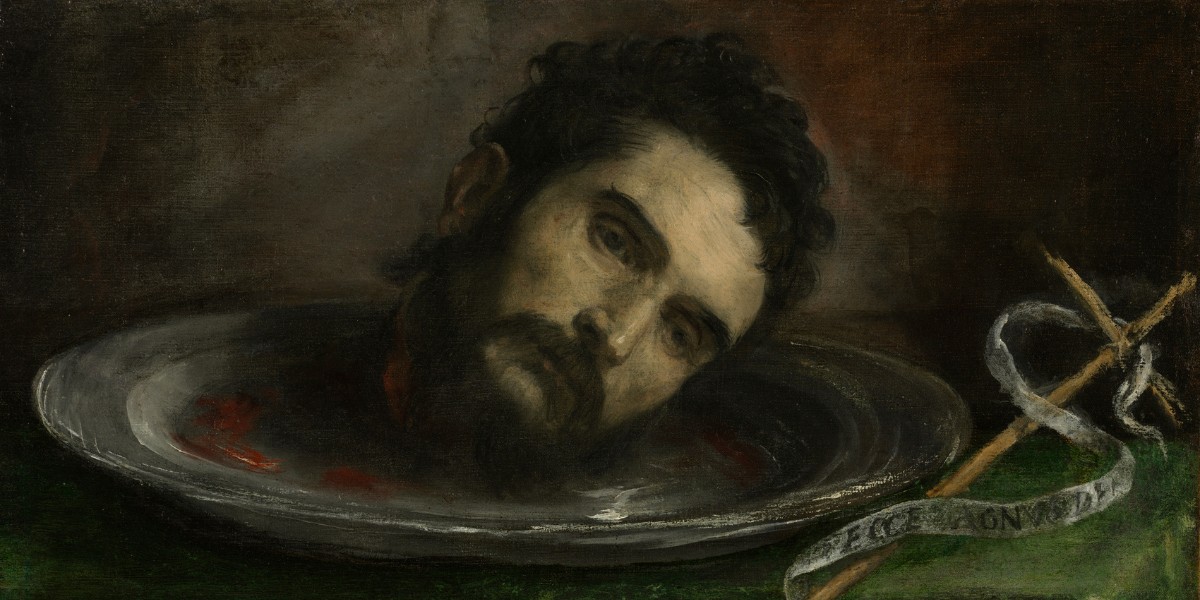
Then the Jews persuaded King Herod Agrippa (40–44 AD) to seize the Apostle James and condemn him to death. The holy James, calmly hearing the death sentence, continued to bear witness to Christ. One of the informers against the apostle, named Joses (or Josias), was struck by the courage of Saint James. He believed in the truth of the words about the coming of Christ the Messiah. When the apostle was led to execution, Joses fell at his feet, repented of his sin, and begged for forgiveness. The apostle embraced and kissed him and said: “Peace be to you and forgiveness.” Joses publicly confessed faith in Christ and was beheaded together with Saint James in 44 AD in Jerusalem (according to other sources, around 42 AD).