







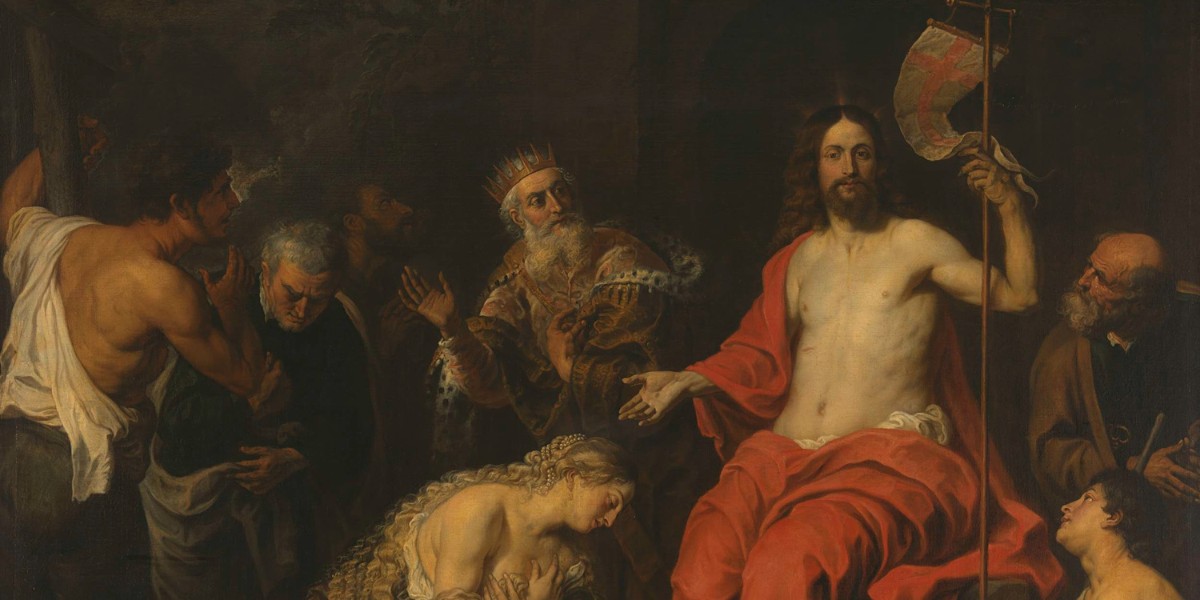
Explanation of the Seventh Beatitude
The seventh commandment states: “Blessed are the peacemakers, for they shall be called sons of God” (Matthew 5:9).
A peacemaker is “one who contributes to the maintenance of peace and to someone’s reconciliation” (S.I. Ozhegov, “Dictionary of the Russian Language,” 22nd edition, p. 356). Peacemakers are people who do not like quarrels and avoid them. These are people who live in peace and friendliness with all other people and reconcile those who are quarreling. By their actions aimed at establishing peace, peacemakers become like Jesus Christ, who came to sinful earth to reconcile fallen man with God’s justice. “Therefore, having been justified by faith, we have peace with God through our Lord Jesus Christ” (Romans 5:1).
Jesus Christ Himself created peace and goodness everywhere. And for man there is no other way to achieve peace with God except through Christ, through the fulfillment of His commandments. Therefore, peacemakers are such people who, like Jesus Christ, have a kind heart, honor God, strive to help their neighbor, and contain in their soul the meek and humble Spirit of Jesus Christ. These people not only differ in meekness and gentleness and have a humble disposition in their soul, but by their actions strive to create peace among people, stop disputes and enmity, and bring joy and tranquility to those around them.
If a person has accepted God into his heart, then the grace of God drowns out in such a person the desire for enmity, strife, and evil. In the heart of such a person there is no envy or malice, hatred, hostility, vanity, or pride. Upon such a person rests the beneficial breath of Christ. Such a person experiences the desire to do good, becomes a peacemaker, and spreads the action of heavenly peace upon people. Such a person has a kind heart, a peace-loving character, and radiates heavenly love around himself. “Everyone who loves is born of God and knows God” (1 John 4:7). The followers of Jesus Christ, who lived in peace with God and neighbor, spread around themselves the light of Christ’s love and God’s peace, and by word and deed restrain their neighbors from sin. Therefore such people will be called, that is, named, sons of God, because they continue the work of Christ’s peace on earth. “For as many as are led by the Spirit of God, these are sons of God” (Romans 8:14).
Thus, people will be called sons of God and will be blessed, that is, happy, for becoming peacemakers, that is, for creating Christ’s peace around themselves. But what is Christ’s peace? “Peace I leave with you, My peace I give to you” (John 14:27) — Christ says to people. And in another place He clarifies: “These things I have spoken to you, that in Me you may have peace” (John 16:33). This peace is “the peace of God, which surpasses all understanding” (Philippians 4:7). Christ’s peace is, first of all, the expression of God’s love, heavenly love, which Jesus Christ pours out upon the entire earthly world, upon all people. God’s peace instills meekness, tranquility, and love into people’s souls. “Be of one mind, live in peace; and the God of love and peace will be with you” (2 Corinthians 13:11). God’s peace protects a person from all agitation and fear, frees a person from cares about what to eat, what to drink, or what to wear. In all circumstances it protects people from anxiety and timidity. For nothing “shall be able to separate us from the love of God which is in Christ Jesus our Lord” (Romans 8:39).
Saint Gregory of Nyssa speaks thus about God’s peace: “Of all that people seek and enjoy in life, is there anything sweeter than a peaceful life? Everything you might call pleasant in life is pleasant only when it is joined with peace. Let there be everything that is valued in life: wealth, health, wife, children, home, relatives, friends. Let there be beautiful gardens, places for merry feasts, and all inventions of pleasure… Let all this be, but without peace — what is the use of it? Consider for yourself what kind of life those have who are at enmity with one another and suspect each other? They meet with sullenness, one abhors everything in the other, their mouths are silent, their eyes are averted, and one’s ear is closed to the words of the other. Everything pleasant to one is hateful to the other. And conversely, what is hateful and hostile to one pleases the other. Therefore, he who prevents others from this shameful vice renders the greatest benefit and may rightly be called blessed; he performs the work of God, destroys evil in human nature. Therefore the Lord calls the peacemaker the son of God, because he who brings such tranquility to human society becomes an imitator of the True God” (Gregory of Nyssa, “On the Beatitudes,” 1842, p. 164).
But before becoming a peacemaker, a person must have peace in his own soul, and then spread God’s peace to those around him. For this, a person must pacify himself, that is, achieve such a state that his spirit is not disturbed by anything. For this, a person must calmly relate to the deprivations and hardships of life, offenses, failures, troubles, slander, and not allow anything to disturb the tranquility of his soul and the peace of his heart. Having established God’s peace in his own soul, a person who has become a peacemaker must spread peace around himself. For this it is necessary to set an example of peace-loving to those around him, to reconcile those who are at enmity, to prevent quarrels. And if we cannot reconcile people, we must ask God for their reconciliation. The peacemaker himself must treat people in a friendly manner and live in peace with all people.
“If it is possible, as much as depends on you, live peaceably with all men. Do not avenge yourselves, beloved… Therefore ‘If your enemy is hungry, feed him; if he is thirsty, give him a drink; for in so doing you will heap coals of fire on his head.’ Do not be overcome by evil, but overcome evil with good” (Romans 12:18–21).
As we see, Christ’s peace is the expression of God’s love, but it does not free a person from resisting evil. For “You who love the Lord, hate evil!” (Psalm 97:10). “Let no one think that I affirm that every kind of peace should be valued,” says Saint Gregory the Theologian, “for I know that there is a beautiful disagreement and the most pernicious unanimity. But one must love the good peace that has a good purpose and unites with God” (“Spiritual Sowing,” compiled by Master of Theology G. Dyachenko, 4th edition, 1900, p. 309).
In order to establish God’s peace in one’s own soul, and also to overcome evil with good and establish good peace that unites people with God, the peacemaker must show much persistence, firmness of soul, and self-sacrifice. Jesus Christ Himself spoke that His teaching can cause many upheavals and oppositions among people, and His followers will require firmness of spirit and devotion to the Christian faith. “Do not think that I came to bring peace on earth. I did not come to bring peace but a sword… He who loves father or mother more than Me is not worthy of Me… And he who does not take his cross and follow after Me is not worthy of Me. He who finds his life will lose it, and he who loses his life for My sake will find it” (Matthew 10:34, 37–39).
Thus, a peacemaker becomes such a person who by his life and deeds bears witness to Christ (that is, spreads Christ’s teaching and follows it). And having taken up his cross (that is, bearing without complaint the difficulties, deprivations, and sufferings of life), he gives his life for the Lord, creating Christ’s peace on earth, spreading heavenly love and the truth of life.